
"Ethiopian coffee farms"
2000 article(s) found

What is the coffee and flavor characteristics of the red cherry plan?
The "Red Cherry Project" (ORC) is a project to improve the quality of small-scale farms, mainly to encourage soybean farmers and surprise roasters. Trabocca, the largest coffee bean manufacturer in the Netherlands, invited all Ethiopian farms to produce small batches of beans of about 1500-3000 kg (25,00050 bags) before the harvest season. Women can only choose fully 100% ripe red cherries.

What does the Red Cherry Plan\ Red Cherry Action ORC mean? flavor characteristics of Red Cherry Coffee beans
Professional baristas please follow the Coffee Workshop (official Wechat account cafe_style) operation Cherrie Red Red Cherry Initiative (ORC) is a project to improve the quality of small-scale farms, mainly to encourage soybean farmers and surprise roasters. Trabocca, the largest coffee bean seller in the Netherlands, invited all Ethiopian farms to produce small quantities of about 1500 before the harvest season.

There are several coffee farms in Ethiopia's coffee-producing countries
Grade of Ethiopian coffee: Ethiopian washed coffee Yega Chuefei G1 G2 Sidamo (Yirgacheffe, Sidamo) has the highest grades 2 and 3 (G2, G3), while sun-processed coffee in eastern Ethiopia is mostly grade 4 or 5 (G4, G5). In many cases, level 4 coffee is marked as level 5 in order to reduce taxes. At present, the classification is not uniform and there are
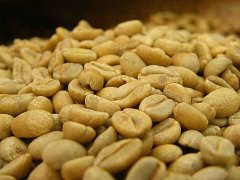
Detailed introduction of washing beans in Ethiopia red cherry plan hole plus chair cleaning station
Professional barista exchanges please follow the coffee workshop (Wechat official account qianjiecoffee) Ethiopian red cherry plan hole plus chair cleaning station to wash beans Ethiopia is the first country to discover coffee, in terms of coffee quality and output is still the most important producing country and the best, coffee is mostly traditional Arabica species, annual output is about 350000 tons and 70%

Ethiopian Bishan Dimo Water washing Station Coffee introduces what brands Ethiopian coffee has
Professional coffee knowledge exchange more coffee bean information please follow the coffee workshop (Wechat cafe_style) Bishan Dimo washing station the story of the Yonis family began in Hara's warm and dry climate. Harald, the easternmost coffee-growing region of Ethiopia, is famous for its naturally processed coffee because of the lack of water in the region. The Harari are proud of their amber beans.

The planting system of Ethiopian coffee is roughly divided into four types.
The planting system of Ethiopian coffee is roughly divided into four categories: 1) primeval forest coffee (Forest Coffee:8-10%) 2) semi-virgin forest coffee (Semi-forest Coffee: 30-35%) 3) Manor coffee (Garden/Cottage: 50% mae 55%) 4) Enterprise coffee cultivation (Plantation Coffee: 5-6%) specifically: primeval forest coffee belongs to the category

Starbucks selected Ethiopia Kayonshan Manor introduction _ Eka Yongshan Manor Coffee beans delicious
Professional coffee knowledge exchange more coffee bean information please follow the coffee workshop (Wechat official account cafe_style) recently, several new beans have been added to Starbucks, including Cayonshan Manor in Ethiopia. Today, Qianjie Coffee will introduce to you where this Cayong Mountain Manor in Ethiopia is, and is the coffee grown good? Ethiopia

Ethiopian Coffee Manor Ted Manor Ethiopian Coffee producing area
Ethiopian coffee beans grow in close to the natural environment, after years of planting under the same growth conditions, Ethiopian coffee beans have gradually adapted to the environment here. More than 60% of coffee beans are grown in forests or semi-forests. Large-scale coffee-growing villages account for about 35% of the country's total coffee production. Many of these are used.

Ethiopian Coffee Culture Coffee Flavor characteristics of different producing areas in Ethiopia
Ethiopia is recognized as the birthplace of coffee, and the coffee produced is also highly respected in the boutique coffee market, and Ethiopian coffee is almost available on the menus of coffee shops around the world. But why is Ethiopian coffee so well received? How well do you know this coffee-producing country? Ethiopia's producing areas vary greatly, with each producing area, micro-producing area and even farm production.

Ethiopian Coffee Bean Flavor Manor introduces Ethiopian Coffee Brands
Ethiopian coffee beans grow in close to the natural environment, after years of planting under the same growth conditions, Ethiopian coffee beans have gradually adapted to the environment here. More than 60% of coffee beans are grown in forests or semi-forests. Large-scale coffee-growing villages account for about 35% of the country's total coffee production. Many of these are used.

Ethiopian Fine Coffee Flavor characteristics of Ethiopian Coffee Yega Chefe Coffee
Ethiopian coffee beans grow in close to the natural environment, after years of planting under the same growth conditions, Ethiopian coffee beans have gradually adapted to the environment here. More than 60% of coffee beans are grown in forests or semi-forests. Large-scale coffee-growing villages account for about 35% of the country's total coffee production. Many of these are used.

How did Nicaragua Yushi Coffee beans discovered? a brief introduction to the new Nicaraguan variety of coffee beans
Professional coffee knowledge exchange more coffee bean information please follow the coffee workshop (Wechat official account cafe_style) Nicaragua (Yersi) can be said to be the latest discovered Ethiopian variety! But the discovery was entirely accidental. Expocamo, an exporter of raw beans from Nicaragua, has begun to move to more remote areas in the past two years, hoping to find the next boutique coffee, San.

Ethiopian coffee, culture, development
Ethiopian coffee Ethiopia has unique natural conditions and is suitable for growing all imaginable varieties of coffee. As a highland crop, Ethiopian coffee beans are mainly grown in areas between 1, 100 and 2300 meters above sea level, roughly distributed in southern Ethiopia. Deep soil, well drained soil, weakly acidic soil, laterite
Flavor description of Ethiopian Harald coffee beans taste characteristics of Ethiopian coffee beans
For more information on coffee beans, please follow Coffee Workshop (Wechat official account cafe_style) Harrar, a wild Arabica growing up on small farms 1400-2000 meters above sea level in the Oromia area (formerly Harrar). It is a typical natural processing. Harrar is famous for its rich taste and acidity. Rich in taste, with intense blueberries or

Introduction to the characteristics of Coffee Flavor and Taste varieties in Xidamo Shaqiso producing area
In July 1991, EGF hosted a national conference with the participation of more than 20 political and ethnic organizations. The meeting adopted the Transitional Charter and elected an 87-member House of Representatives, with EGF Chairman Meles Zenawi as President of the Transitional Government and President of the House of Representatives. A transitional government was established. On May 24, 1993, Eritrea (formerly Eritrea Province of Ethiopia) adopted the International Community.

Recommendations for baking Sidamo coffee beans in the Yegashefiguji region of Ethiopia
Professional coffee knowledge exchange more coffee bean information please follow Coffee Workshop (Wechat official account cafe_style) Euromia Ethiopian Coffee Sun Sidamo producing area: southern Ethiopia Sidamo production level: Grade1 altitude: 1850-2000 m processing: sun taste:

Introduction to the flavor of Sidamo Red Cherry Project Operation Cherry Red Cambedo Sun Coffee
Professional baristas please follow the coffee workshop (Wechat official account cafe_style) Ethiopia Sidamo Red Cherry Project Operation Cherry Red Cambedo Sun Bean operation Cherrie Red "Red Cherry Initiative" (ORC) is a project to improve the quality of small-scale farms, mainly to encourage soybean farmers and surprise roasters, the largest coffee bean seller in the Netherlands.

Ethiopian coffee beans recommend Ethiopian coffee which producing area has the best coffee quality
Professional coffee knowledge exchange more coffee bean information please follow the coffee workshop (Wechat official account cafe_style)

Ethiopian Oromia Coffee Farmers Cooperative Union introduces Ethiopian Coffee
Professional coffee knowledge exchange more coffee bean information please follow Coffee Workshop (Wechat official account cafe_style) Oromia Coffee Farmers Cooperative Union was established by 35 small organic cooperatives in 1999. Its members are indigenous farmers in the vast Oromia state of southern and southwestern Ethiopia, which produces 65 per cent of the country's coffee. The farm is located between 1500 and 2000 above sea level.